

A hard money loan can help you access cash quickly when you need funding for a real estate purchase. They are typically short-term and can be more expensive than traditional mortgages.
What are hard money loans?
Hard money loans are a type of financing that is secured by real estate or other valuable assets. Instead of relying on your credit report, lenders focus on the value of the property you’re using as collateral.
Hard money loans are typically designed for short-term financing and are popular with developers looking to buy and sell property quickly, known as ‘flipping’.
They are similar to bridge loans, where the money you borrow is used to ‘bridge the gap’ while you wait to sell a property. Loan terms, interest rates, and fees can vary depending on the lender, the value of the property, and your financial situation.
How do hard money loans work?
Hard money loans are based on the value of the property you use as collateral, rather than relying primarily on a borrower’s credit history or income.
The lender will assess the property’s value and determine how much to lend based on a percentage of that value, known as the loan-to-value ratio.
Once approved, you receive the funds and repay the loan over a short term, typically between 6 and 12 months. Payments may be made monthly or, in some cases, as interest-only payments followed by a larger final payment.
Hard money loans are usually offered by private lenders or investment groups rather than banks. Because approval is based on the property, the process can be faster than a traditional mortgage.
However, these loans often come with higher interest rates and shorter repayment periods, so it is important to review the terms carefully before borrowing.
What are hard money loans used for?
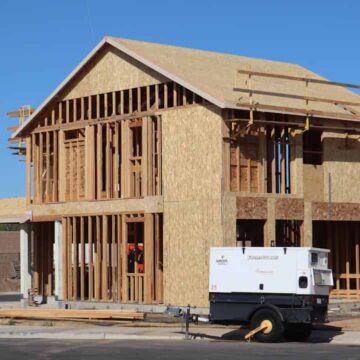
Hard money loans are often used by those looking to buy a property they want to renovate and then sell quickly for a profit.
Because approval is based on the value of the property rather than your credit score or affordability, they are often used when speed or flexibility is important.
Common uses for hard money loans include:
- Purchasing investment properties
- Renovating or repairing properties before resale
- Funding house flipping projects
- Bridging a gap between buying and selling properties
- Securing time-sensitive real estate deals
These loans are designed for projects that have a clear short-term goal, such as improving or reselling a property. Because of the shorter repayment periods and higher costs, they are generally not suitable for long-term borrowing.
What is the difference between a hard money loan and a mortgage?
Hard money loans and traditional mortgages are both used to finance property, but they differ in how they are approved, structured, and repaid.
Hard money loans
- Based on the value of the property used as collateral
- Have shorter repayment terms, often months to a few years
- Usually come with higher interest rates and fees
- May be approved more quickly with fewer requirements
Traditional mortgages
- Based on credit history, income, and long-term affordability
- Designed for long-term financing, often 15 to 30 years
- Usually have lower interest rates compared to hard money loans
- Involve a more thorough and longer approval process
Because of these differences, mortgages are typically used for long-term property ownership, while hard money loans are more commonly used for short-term projects or investment purposes.
How much do hard money loans cost?
The main costs associated with a hard money loan typically include:
- Loan amount: This is the amount you borrow, usually based on a percentage of the property’s value.
- Annual Percentage Rate (APR): Hard money loans generally have higher interest rates than traditional mortgages. The exact rate you’ll pay will vary depending on the lender and the level of risk involved.
- Fees and points: Lenders often charge upfront fees, sometimes referred to as “points,” which are usually a percentage of the loan amount. These can increase the total cost of borrowing.
- Loan term: Hard money loans usually have relatively short repayment periods, often lasting from a few months to a couple of years. Therefore, monthly payments or final repayment amounts can be higher than those of longer-term loans.
The total cost of a hard money loan will vary depending on things like the property value, loan-to-value ratio, and your experience. Because these loans are intended to be repaid quickly, it’s important to have a clear repayment plan before borrowing.
Pros and cons of hard money loans
Hard money loans can offer a flexible financing option in certain situations, but they also come with important trade-offs. Understanding both the advantages and potential downsides can help you decide whether this type of loan fits your needs.
What affects approval for a hard money loan?
Hard money loan approval is mainly based on the value of the property being used as collateral rather than your credit history and affordability.
However, lenders still consider several factors when deciding whether to approve a loan and how much they are willing to offer, including:
- Property value: The value of the property is one of the most important factors. Lenders use this to determine how much they are willing to lend.
- Loan-to-value ratio (LTV): This refers to the percentage of the property’s value that is being financed. For example, if a lender offers a 60% LTV on a property worth $300,000, the maximum loan amount would be $180,000.
- Property condition: Some lenders consider the condition of the property, especially if the loan is being used for renovations or resale.
- Borrower experience: If you have experience with property investments or renovations, this may improve your chances of being accepted.
- Exit strategy: Lenders may want to understand how you plan to repay the loan, such as by selling the property or refinancing.
Even though hard money loans place less emphasis on credit history, having a clear plan and understanding how you will repay the loan can help improve your chances of approval.
Alternatives to hard money loans
Hard money loans can be useful in certain situations, but they are not the only way to finance a property purchase or short-term project. Depending on your circumstances, an alternative option may offer lower costs or more flexible terms.
Traditional mortgages
A conventional mortgage can offer lower interest rates and longer repayment terms than a hard money loan. However, approval usually involves stricter credit and income requirements and may take longer to complete.
Home equity loans or HELOCs
If you already own property, you may be able to borrow against its value. These options often come with lower interest rates than hard money loans, but your home is used as collateral and is at risk if you can’t keep up with repayments.
Personal loans
An unsecured personal loan can be used for smaller projects or expenses. These loans do not require collateral, but they may have lower borrowing limits and higher interest rates depending on your credit score.
Bridge loans
Bridge loans are short-term loans designed to cover a gap between buying and selling properties. They are broadly similar to hard money loans but are sometimes available through traditional lenders.
Exploring alternatives can help you find a financing option that better fits your budget and long-term financial plans.
How to get a hard money loan
If you decide a hard money loan is the right option, here are the steps to follow to find and apply for the right loan for you.
- Review the property value: As hard money loans are based on the value of the property, working out its estimated value can help you determine how much you may be able to borrow.
- Define your repayment plan: Because these loans are short term, it’s important to have a clear plan for how you will repay the loan, such as selling the property or refinancing.
- Understand the total cost: Review the interest rate, fees, and repayment schedule carefully so you understand the full cost of borrowing.
- Submit your application: Once you’ve chosen a lender, you can apply by providing details about the property and your plans for the loan.
Preparing in advance can help you make a more informed decision and help you find the right hard money loan for your situation.
Is a hard money loan right for you?
A hard money loan can be a useful option if you need short-term financing and are unable to secure a traditional loan, or if you need access to funds quickly for a property purchase or project.
However, these loans often come with higher interest rates, shorter repayment terms, and increased risk if the loan is not repaid as agreed. Before borrowing, it’s important to consider whether the costs and repayment timeline fit within your budget.
Taking the time to compare your options and understand the loan terms can help you decide whether a hard money loan is the right choice for your situation.



Apply in minutes, quickly & securely
- Complete an online application
- Receive a decision quickly
- Review and sign the agreement
- Get cash directly into your bank account