

Budgeting is one of the best ways to manage your finances successfully. It can help you understand where your money is going and give you more control over how you spend, save, and plan for future expenses.
There are different ways to budget, and the right budgeting method depends on your income, goals, and how closely you want to track your spending.
Zero-based budgeting is one approach that can help you plan your spending by giving every dollar of income a specific purpose.
What is zero-based budgeting?
Zero-based budgeting is a way of budgeting where you assign every dollar of your income to a specific category until the amount left to allocate equals zero.
Those categories can include things like rent, groceries, and utilities, savings, debt payments, and personal spending. The goal is to give each dollar a clear purpose rather than leaving any part of your income unplanned.
For example, if your monthly income is $3,000, you would divide that amount across all of your budget categories until the full $3,000 has been allocated. Once every dollar has been assigned, your budget reaches zero.
This approach can help you closely track your money and make sure your spending reflects your priorities.
How zero-based budgeting works
Zero-based budgeting works by starting with your monthly income and then planning how you’ll use that money across all of your spending categories. The aim is to make a plan for your money before the month begins, and not wait to see what is left over at the end.
This means looking at your expected income and then working through your expenses, starting with your priority bills like rent, debt repayments, groceries, and insurance.
If there is anything left once you’ve allocated money to all of your categories, continue assigning it to other categories until every dollar of income has been accounted for.
This method also requires you to monitor your spending during the month. If you spend more than expected in one category, you may need to reduce the amount planned for another.
This flexibility is an important part of how zero-based budgeting works, especially when your actual spending does not match your original plan.
Because every dollar is assigned in advance, zero-based budgeting can help you identify where you are overspending or where extra money could be redirected toward things like savings or debt repayment.
What should you include in a zero-based budget?
A zero-based budget should include all of the categories you spend money on during the month. The goal is to make sure every dollar is assigned to a realistic category, including both essential costs and non-essential spending.
Common categories you might use in a zero-based budget include:
- Housing costs, such as rent or mortgage payments
- Utilities, including electricity, water, and internet
- Groceries and household essentials
- Transport, such as fuel, public transit, or car payments
- Insurance and healthcare costs
- Debt payments
- Savings and emergency fund contributions
- Personal spending and entertainment
It can also be helpful to include occasional or irregular expenses, like gifts, car repairs, or annual subscriptions. Planning for these costs in advance can reduce the chance of them disrupting your budget during the month.
Look back at your last couple of months’ spending to help you work out where your money goes and understand the categories you need to include.
How to make a zero-based budget
Before you try zero-based budgeting, break the process into the following steps. This will make it easier to build a budget that accurately reflects your income and spending habits.
- Work out your monthly income: Start with the amount of money you expect to bring in during the month after tax. If your income varies, it’s a good idea to base your budget on less than you expect to avoid overcommitting.
- List your monthly expenses: Write down your regular costs, such as housing, utilities, groceries, transport, debt payments, and insurance. Then include savings goals and non-essential spending.
- Assign every dollar to a category: Go through your budget and allocate your income across all of your categories until there is nothing left unassigned.
- Check that your budget balances: Once all categories have been added up, your income minus all of your planned spending, saving, and debt payments should equal zero.
- Track your spending during the month: Compare your actual spending against your budget so you can see whether you are staying on track.
- Adjust when needed: If you spend more in one area than expected, you may need to reduce spending in another category to keep your budget balanced.
Creating a zero-based budget can take a little time at first, but the process should become easier as you get used to reviewing your spending regularly.
Example of a zero-based budget
Here is a simple example of how a monthly income of $3,000 could be allocated using a zero-based budget:
| Category | Amount |
| Rent | $1,000 |
| Utilities | $200 |
| Groceries | $400 |
| Transportation | $250 |
| Insurance | $150 |
| Debt repayments | $300 |
| Savings | $300 |
| Personal spending | $200 |
| Entertainment | $100 |
| Miscellaneous | $100 |
| Total | $3,000 |
In this example, every dollar of income has been assigned to a category. That means the budget reaches zero, not because you have no money left in the bank, but because all of the income has been given a purpose.
When you build your own budget, you may have more or different categories. The important thing is to make sure that all of your main outgoings are included.
If your spending in one category is less than expected, reassign the extra money to another category like savings or debt repayment.
Pros and cons of zero-based budgeting
Zero-based budgeting can be a useful way to manage your money, but it may not suit everyone. Understanding the pros and cons can help you decide whether this method is right for you.
Zero-based budgeting mistakes to avoid
Zero-based budgeting can be effective, but you need to avoid making mistakes that can make the method harder to manage.
Some common mistakes to watch out for include:
- Forgetting to include irregular expenses, like one-off bills, gifts, or car repairs
- Setting spending limits that are too tight to follow realistically
- Failing to include savings as part of the budget
- Not adjusting your budget if your spending changes during the month
- Forgetting to budget for things like entertainment or eating out
Reviewing your budget regularly and being flexible can help you avoid these mistakes and make the method more effective.
Who should use zero-based budgeting?
Zero-based budgeting is a good option if you’re looking for a more detailed way to manage your money and keep a closer eye on where it goes each month.
This method may be a good fit if you are:
- Trying to reduce unnecessary spending
- Working toward a savings goal
- Paying down debt
- Managing a tight monthly budget
- Looking for more control over your spending habits
Zero-based budgeting may not be the right option if you don’t want to review your budget regularly. It can also be harder to manage if your income changes significantly from month to month.
Before choosing a budgeting method, it can help to think about how much time you want to spend managing your budget and how closely you want to monitor your spending. The right approach fits your financial goals and is realistic to maintain over time.
Alternative budgeting options
Zero-based budgeting isn’t the only way to manage your money. If you prefer a different level of effort or flexibility, another budgeting approach may be a better fit:
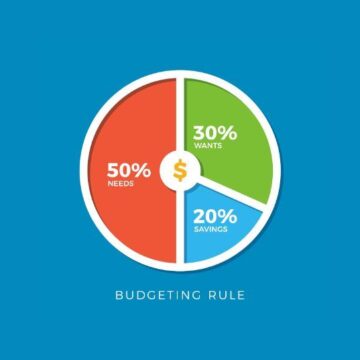
- 50/30/20 budget: This method divides your income into three categories: needs, wants, and savings or debt repayment. It can be a simpler option if you do not want to track every dollar in detail.
- Envelope budgeting: This approach involves setting aside a fixed amount for specific spending categories, often in cash or separate accounts. It can help limit overspending on groceries, entertainment, or eating out.
- Pay-yourself-first budgeting: With this method, you set aside money for savings before covering other spending. It may suit people who want to prioritize saving without following a more detailed budget.
- Percentage-based budgeting: This type of budgeting uses set percentages of your income for different categories. It can offer more flexibility while still giving your spending some structure.
Exploring alternative budgeting methods can help you find an approach that matches your income, goals, and the level of tracking you want.


Apply in minutes, quickly & securely
- Complete an online application
- Receive a decision quickly
- Review and sign the agreement
- Get cash directly into your bank account